Round Wood explains why engineered oak boards represent the best option for homeowners looking to replace a floor.
If you are looking to replace a floor in your property, whether in isolation or as part of an overall renovation, it is well worth researching the numerous options thoroughly, particularly if you plan to stay put for some time.
Flooring is key to setting the tone of any room, so avoid making hasty, last minute decisions, even if you are in the midst of stressful, large-scale works.
Flooring material
Your first call will be on the material to be used. This will depend on taste, budget, footfall, application and the time you are prepared to spend on maintenance.
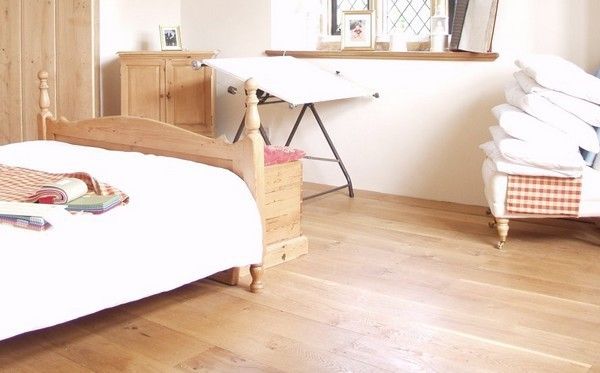
Oak flooring suits both traditional and contemporary properties, is hard-wearing and affordable. They are easy to fit, simple to maintain and are available in a variety of widths, styles and finishes.
Solid or engineered boards?
If oak is selected, the next decision concerns whether to fit solid or engineered boards. The latter has been far more popular in recent years. This is an understandable trend; engineered flooring is the smart choice.
It should not be confused with far inferior laminates. Engineered boards feature a chunky section of oak (mounted on to a highly compressed base that resists shrinking and expansion), are indeterminable from their solid equivalents, and can be fitted straight from the pack.
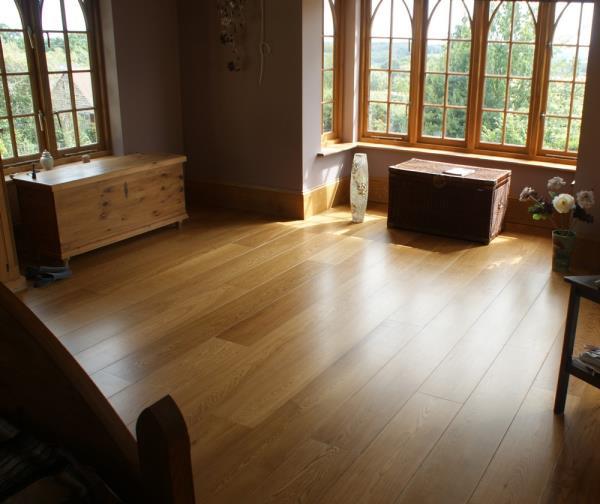
In addition to being extremely durable, even in rooms that experience temperature variance, they are easy to care for. Boards can be supplied with a pre-oiled finished (with accompanying stains if required) that allows any damaged area to be treated quickly, without the need to refinish the surrounding floor. Given all these benefits, why opt for anything else?